
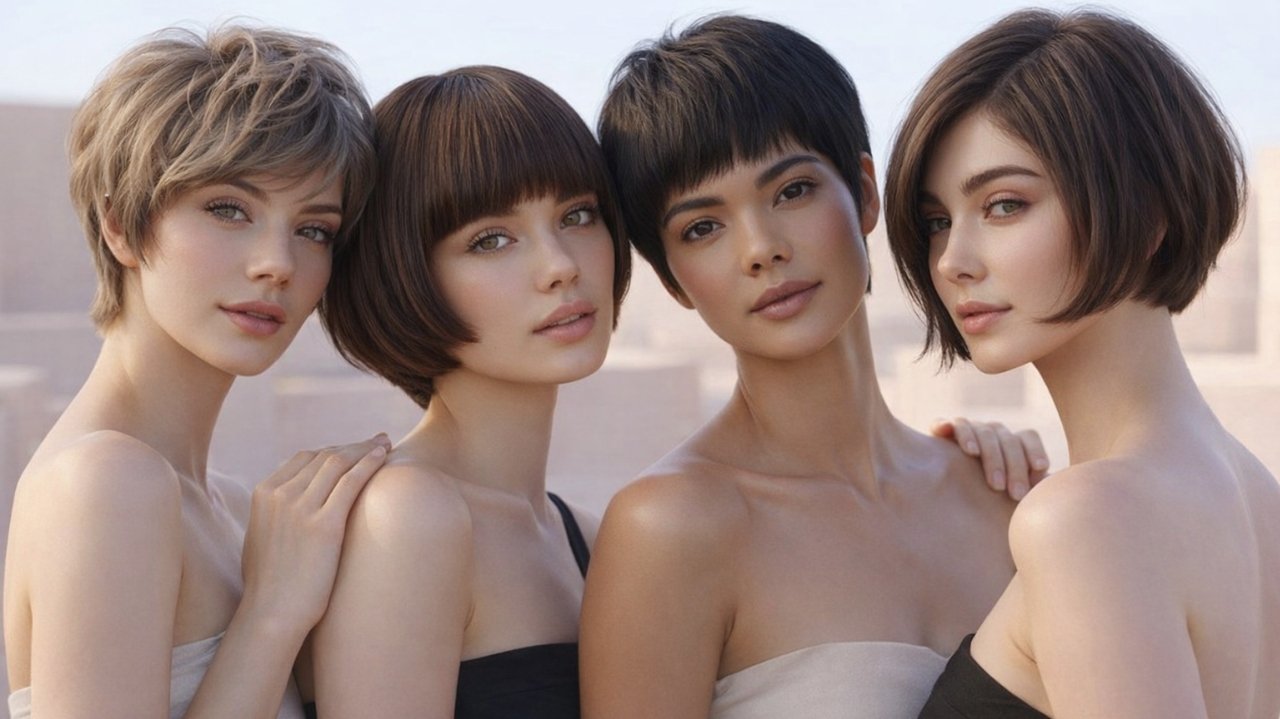
In many UK salons, this quiet moment is more familiar than anyone admits. Not dramatic, not disastrous — just that small question people carry: why does short hair sometimes feel heavier than it should?
For years, the idea was simple. Short meant practical. Clean lines, tidy shapes, manageable routines. But somewhere along the way, the rhythm of life shifted. Mornings grew faster, evenings longer, and patience for daily styling grew thin. People didn’t necessarily want trend-led hair anymore. They wanted hair that behaved or at least, didn’t argue back.
There’s been a subtle change in how short hair is being approached now. Less obsession with perfection, more attention to how it lives day to day. Not just how it looks under salon lights, but how it settles after a walk in damp weather, how it falls when you tuck it behind your ear, how it feels when you catch yourself in a shop window reflection without trying. Short hair, when it works, feels almost invisible. You stop thinking about it. That, quietly, has become the goal.
The Shape That Moves Without Effort
There was a time when sharp, structured cuts dominated — precise edges, exact symmetry, nothing out of place. Beautiful, yes, but demanding. Miss one trim, skip one styling morning, and the shape softened into something unintended.
Now, many stylists especially across London and smaller UK studios are leaning toward shapes that hold themselves together even as they grow. Not messy, not careless, just slightly forgiving. A softer back, a gentle lift at the crown, movement that doesn’t rely on product or heat.
It’s less about creating volume and more about allowing air between strands. When hair moves, it appears fuller. When it sits stiffly, it often feels thinner. The difference is small but visible especially in natural daylight, which rarely flatters rigid shapes.
One stylist, during a quiet midweek appointment, said something simple while trimming the back: “Hair doesn’t need to be perfect. It just needs somewhere to go.”
It sounded almost casual, but it stayed.
The Space Between Salon Visits
Time plays a bigger role than most expect. The first week after a haircut often feels promising — shape neat, ends fresh, movement alive. Then life resumes. Workdays, errands, weather, missed styling mornings. Around week four or five, the cut begins to shift.
This is where newer approaches feel different. Instead of collapsing, softer short cuts tend to relax into themselves. Not pristine, but still presentable. Still intentional. You might notice it when brushing your hair before leaving the house — it sits slightly differently, yet doesn’t feel wrong.
Some people have even begun stretching salon visits longer, not out of neglect, but because the urgency has faded. Hair becomes less of a schedule and more of a background rhythm.There’s a quiet comfort in that.
The Emotional Shift No One Talks About
Short hair often begins as a practical decision — easier mornings, lighter maintenance, a change after a long phase. But somewhere along the way, it becomes something else.
You stop adjusting it constantly. Stop checking it in every reflective surface. Stop worrying about whether it looks “done.” Instead, you notice other things how your collar sits, how your earrings show more, how your neck feels lighter on warm days.
There’s also a subtle emotional shift. Not dramatic, just steady. The hair feels less like something to fix and more like something that simply exists alongside you. A quiet companion rather than a daily task.
One woman in a salon waiting chair once cancelled her fringe trim at the last moment, running her fingers through her hair and saying softly, “Actually, I think it’s fine like this.” Nothing remarkable. Yet somehow, it was.
Also Read – Goodbye Balayage: The New Technique That Eliminates Grey Hair for Good
11 Trending Nail Polish Colours Everyone Is Choosing This Winter for a Fresh Updated Look
Goodbye Dry Lips: Kitchen Oil Balm Recipe for Soft, Hydrated, Naturally Plump Pout
Goodbye Hair Dyes: The Viral Grey Hair Trend Making Natural Coverage Look Youthful Again
Why Creamy Vanilla Gloss Nails Are the Soft Nude Trend Everyone Is Choosing This Winter
14 Yoga Poses That Help Open Tight Hips and Improve Mobility
Mirror, Light, and Small Realisations
Lighting changes everything. Under soft salon lights, most cuts look polished. But real life is harsher bathroom bulbs, office fluorescents, grey winter afternoons. Short hair reveals itself honestly in these moments.
Sometimes, you notice that it doesn’t collapse as quickly as before. That the crown holds a little lift even after a long day. That the shape still frames your face without effort. Not perfect, but present.
These small mirror moments are often when people realise their hair has become easier. Not necessarily better styled — just less demanding. Less loud in the background of daily life.And oddly, that simplicity feels luxurious.
Maintenance Fatigue and the Quiet Value of Ease
There was a period when hair routines grew complicated — multiple products, layered styling, precise tools. But many quietly stepped away from that. Not out of rebellion, simply from fatigue.
Short hair that asks for very little has become quietly appealing. A quick towel dry, perhaps a small amount of mousse, maybe nothing at all. The cut does most of the work. The rest is optional.
Cost plays its part too fewer emergency trims, fewer styling purchases, fewer rushed appointments squeezed into busy weeks. But beyond money, there’s peace of mind. Hair that doesn’t require constant attention frees a surprising amount of mental space. And people notice that freedom.
A Softer Approach Across the UK
Across British salons — from London’s quiet neighbourhood studios to smaller towns — there’s been a gentle return to natural texture. Less forcing hair into shape, more working with what it already wants to do.
The goal isn’t trend-driven hair. It’s liveable hair. Hair that suits mornings, weather, routine, and mood. Hair that doesn’t collapse after one windy walk or lose character after a missed wash day.This softer philosophy has changed how short hair feels less styled, more settled.
The Quiet Confidence of Simplicity
Perhaps the most unexpected shift is internal. Short hair that behaves — that feels easy — changes how you move through your day. You touch it less. Adjust it less. Think about it less.
You catch your reflection somewhere unexpected a passing window, a dim café mirror and instead of analysing, you simply notice. It looks fine. Not dramatic, not perfect. Just right enough.
And sometimes, that’s the best kind of beauty the kind that doesn’t demand attention, doesn’t need fixing, doesn’t interrupt your thoughts.
Short hair, when it finally settles into your life, becomes less about style and more about ease. Less about appearance and more about feeling quietly comfortable in your own rhythm. Not louder. Not fuller. Just easier.