
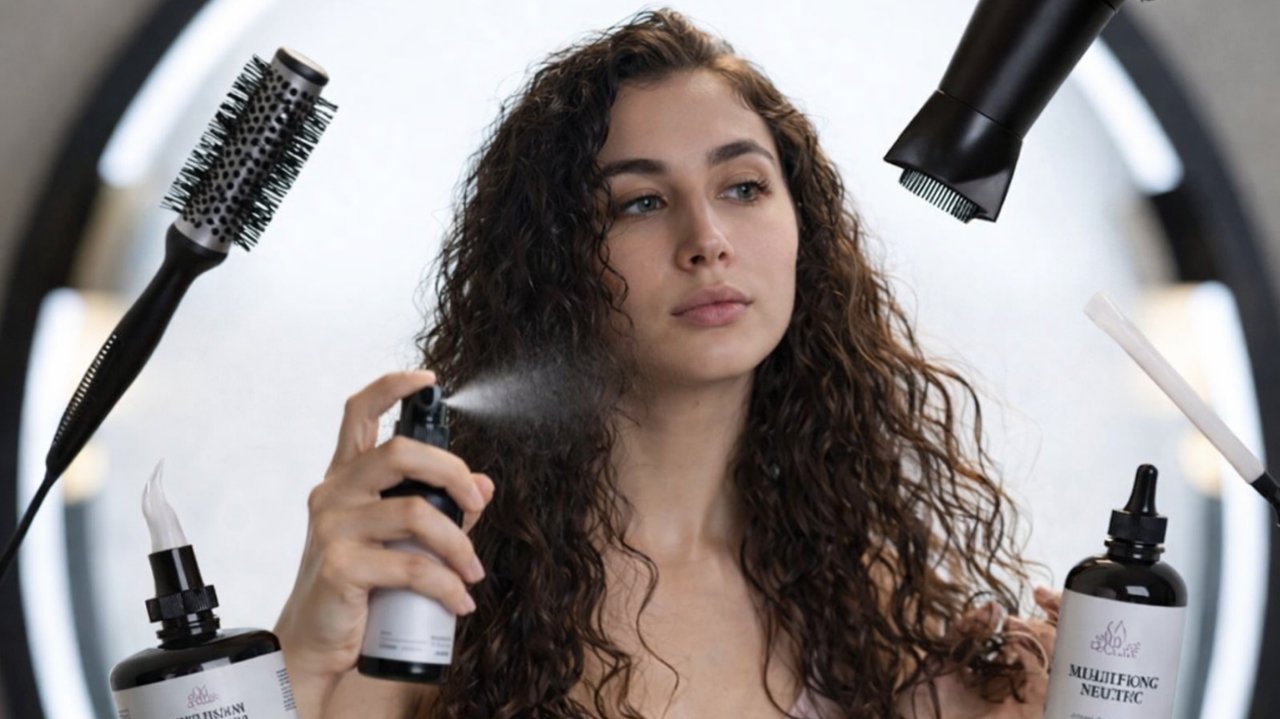
Fine vs thin hair: knowing what you’re dealing with
Before trying random products, it is important to understand why hair looks less dense. Experts explain a simple difference: fine hair refers to the thickness of each strand, while thin hair means fewer strands growing on the scalp.
Fine hair may be plentiful but flat, while thin hair can feel rough yet spaced out. Many individuals experience a combination of both, which is why the approach must be different for each case.
Fine hair usually becomes oily quickly, falls flat easily and struggles to hold styles. Thin hair, on the other hand, needs volume at the roots and support around the parting to avoid scalp visibility.
Common reasons hair looks less dense
- Genetics: Some people naturally grow finer or fewer strands.
- Hormonal changes: Pregnancy, thyroid imbalance, menopause or birth control shifts.
- Stress and illness: High stress, infections, surgery or major health issues can trigger shedding.
- Nutritional deficiency: Low iron, protein, vitamin D or B vitamins weaken hair.
- Styling damage: Heat tools, tight hairstyles, bleaching and harsh brushing break strands.
Improving these factors along with proper hair care can significantly enhance thickness appearance.
1. Cut clever: shapes that fake instant volume
The right haircut alone can make hair look much fuller without using any product. Long and heavy hair pulls everything downward, especially when strands are thin.
Recommended cuts for volume
- Blunt bob (jaw to collarbone): Creates a thicker-looking edge by removing weight.
- Soft long bob (lob): Adds movement while keeping ends fuller.
- Light face-framing layers: Gives shape without removing bulk.
- Curtain fringe: Visually fills the front hairline and distracts from thin parting.
Avoid heavy, choppy layers on fine hair as they often make hair appear even thinner. Regular trimming every 6–8 weeks helps maintain a clean, fuller shape.
2. Wash strategy: cleaner roots, lighter lengths
Fine hair gets oily fast, which causes it to collapse and reveal scalp gaps. A proper wash routine can instantly boost volume.
Choose products that respect the scalp
Use shampoos labeled “volumising”, “strengthening” or “for fine hair” instead of heavy smoothing formulas. Rich products often contain oils and silicones that weigh hair down.
Ingredients like hydrolysed protein, rice protein and panthenol lightly coat strands and make them feel thicker without greasiness.
Condition only mid-lengths to ends, never on the scalp. If hair feels too flat, use a light spray conditioner or weekly mask instead of daily conditioning.
Goal: clean scalp + lightweight hydration, not slippery hair.
3. Styling products that build, not suffocate
The right styling products can make hair appear much denser when used correctly. Focus on lightweight formulas instead of sticky ones.
Where and how to apply
- Apply volumising mousse on damp roots (golf-ball size).
- Use thickening spray on mid-lengths for grip and texture.
- Avoid heavy oils near the scalp; use only on dry ends.
- Blow-dry upside down to lift roots.
Think of styling products as structural support — they help hair stay lifted instead of falling flat.
4. Blow-drying techniques that cheat density
Root lift method
- Rough dry upside down until hair is 70% dry.
- Use a round brush, lifting sections at 90°.
- Apply warm air, then cool air to lock volume.
Hair dries in the direction it is held — drying flat reduces volume. For air-drying, use velcro rollers at the crown for natural lift.
5. Nutrition and scalp health for stronger strands
Important nutrients
- Iron & ferritin: Low levels increase shedding.
- Vitamin D: Supports growth cycle.
- Protein: Hair is made of keratin.
- B vitamins (Biotin, B12): Support follicle function.
A blood test can identify deficiencies. Supplements help only if there is a real shortage.
Externally, scalp health matters too. Weekly exfoliating shampoos remove buildup, helping hair stand more freely.
6. Colour and texture tricks that visually thicken hair
Effective techniques
- Highlights + lowlights add dimension.
- Slightly darker roots create density illusion.
- Single flat blonde may expose scalp more.
Subtle colour variation works better than drastic changes. Loose modern perm can also add body when done carefully.
Also Read – Goodbye Balayage: The New Technique That Eliminates Grey Hair for Good
11 Trending Nail Polish Colours Everyone Is Choosing This Winter for a Fresh Updated Look
Goodbye Dry Lips: Kitchen Oil Balm Recipe for Soft, Hydrated, Naturally Plump Pout
Goodbye Hair Dyes: The Viral Grey Hair Trend Making Natural Coverage Look Youthful Again
Why Creamy Vanilla Gloss Nails Are the Soft Nude Trend Everyone Is Choosing This Winter
14 Yoga Poses That Help Open Tight Hips and Improve Mobility
10-Minute Yoga Flow: A Short Routine That Improves Flexibility and Keeps the Body Mobile
5 Yoga Poses That Help Reduce Belly Fat Slowly
When to suspect a medical issue
Sudden shedding, widening part or patchy loss may indicate medical conditions such as androgenetic alopecia, alopecia areata, thyroid problems or anaemia. A dermatologist can recommend treatments like topical solutions, medication or therapy if needed.
Small daily habits that add up
- Use soft hair ties instead of tight elastics.
- Sleep on silk/satin pillowcase.
- Use low heat with protectant spray.
- Brush gently from ends upward.
Understanding volume vs density
Density = number of hairs on scalp. Volume = space hair occupies after styling.
You cannot easily change density at home, but you can improve volume significantly through styling, care and health.
Practical routine example
- Wash with volumising shampoo, condition only ends.
- Apply mousse at roots + thickening spray mid-length.
- Blow-dry upside down for lift.
- Use texturising spray if hair falls flat later.
Different hair types require different strategies, but consistent care can greatly improve thickness appearance.